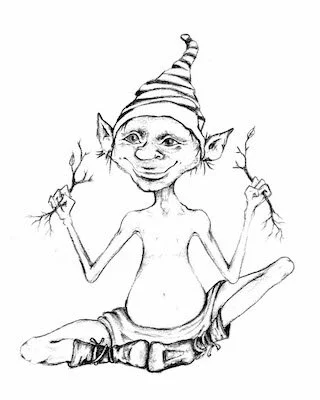
Observation of transitory moments, that when they do arrive, cut the cord to so many of the things that came before… from what is yet to come. And it is a damn good thing the fairies know where we are.

Here we are, without a proper ceremony nor cliffs notes on the path forward. The quiet drive home after the last day of steady employment, with a half smile on my face, my belly full of butterflies swimming around in my goo, and the silence of my footfalls as I climb the stairs because the elevator has been inoperable for 4+ years.
Housing Instability for Artists and Death Workers Is Rising
Transporter doors open up in the strangest of places. They used to look like contracts of dread, accidental broken glass, upended dreams leading to some unforsaken land that will crush you. This time I started an intentional journal to track the daily emails, the bank balance budget, actions to sit with a nothingness mind and cease my running away. Days continued to months. The jig was finally up, the landlord plus debt became like an overextended final act.
For nearly a decade, I worked as an independent contractor in a role that provided a stability not found before in my 40 years of working for others. It was not luxurious or high stakes, but it was just more than enough. I was able to live, make visits with my family and friends, contribute to my communities, and make choices for my continued education. The last one mattered ever so much.
What Happens When Stable Contract Work Disappears
Along the 8 year employment journey, I made it through the lockdown, sweating the entire way. Then, it happened, due to broader economic shifts such as tariffs, restructuring, decisions made far outside of my control, the work disappeared. I cleared out my locker and the air smelled different outside the shop.
What the hell…
What followed was an effort of such sheer massiveness, unlike what I was used to after other unhoused realizations hit me in the gut. This time my kinetic energy level was sustained and relentless, not taking but giving. The daily job applications, networking across industries, embracing over twenty years of experience in art, care work, and community engagement. Within a month after the belly butterflies, I was selling personal belongings, taking on underpaid labor, and continuing relationships until…
until the bottom dropped out of the passenger side floor.
The Hidden Reality of the Gig Economy for Care Workers
There had been no lack of discipline, no lack of skill, no lack of care, but because we are living in an economy that increasingly fails the very people who sustain its cultural, emotional, creative, and communal life. My past was in my way? I have asked myself so many questions, dug up costumes from the back of the closet, and I have also buried bodies of thoughts with the strife of humanity strapped to their backs. I have had to listen to the derogatory excuses thrown at me and eaten shame from the laps of disappointment.
It is intensely difficult to not understand that this story, this is not an isolated story. This is an antique hardcover in the stacks of every library. I am not a genius to recognize patterns and processes across the United States and beyond. Artists, death doulas, caregivers, and independent workers have been experiencing years upon years of precarity. You have to be bendy, support your unsustainable system, mask up and risk your life to be of service to the collapse hanging over every worker’s head like a meteor target.

Eviction Is Not a Personal Failure, This is a Systemic Pattern
And this crossing I stepped into, this is where the story begins. I do not have the motorhome, nor each moment completely in a row, step by step. The ways I knew before are no more. Poof! When I try to search for them, another expansion takes its place. To say that gratefulness is the word, misses the target. The plan seems to be that this mindset works and maintains balance, tiny slips out of place sometimes, but my personal community keeps me safe from the mud.
A Death Worker Perspective On Liminal Space and Transition
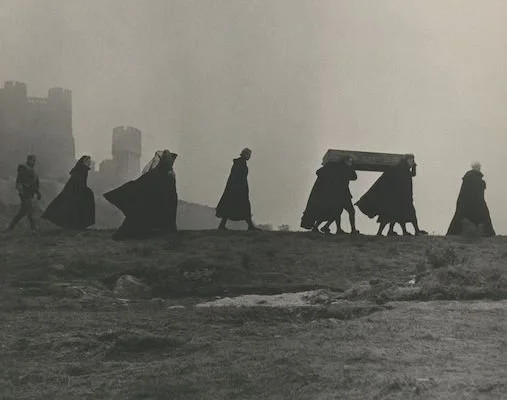
In my curious understanding, there are traditions where this liminal space is honored as a necessary passageway or crossing point. A place of discombobulated, upside down living, yes, however, the possibilities for peace lead the way. There is an entire world upon worlds inside every living thing. It lifts our face to the sun and screams into the open forest void.
In deathcare, these transit spaces with other living things understand these spaces intimately. We sit with people, places, and animals in transition. We witness the space between what was and what will be. We know that transformation often looks, at first, like loss.
Beginning Again: From Survival to Possibility
This project emerges from that same understanding. Rather than treating eviction as an endpoint, my choice is to hold ceremony regularly, move into spaces where my work continues to grow within myself and overflows throughout community engagement. My barefoot feet have crossed into a deeper forest of my expertise. There is a comfortability with a home that is not fixed. It is an opportunity to integrate nomadic wanderings with archival documentation. My aim is stability and what that looks like in motion. An embrace with movement in order to sturdy the foundation for something collective.
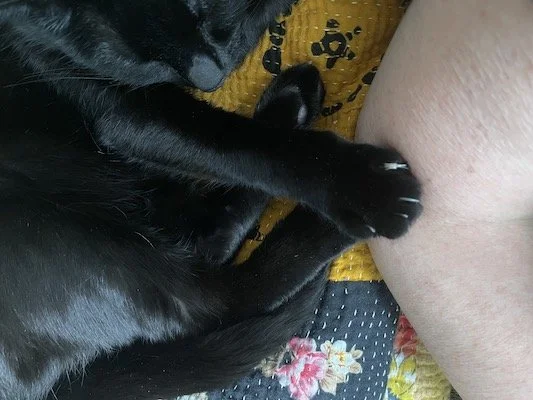
Clove watches and observes the shifting surroundings, the different presence schedule, more connection time. She will stay alongside me while we are in the midst of instability. We are expanding together. Our care for one another is true.

Reimagining Home After Eviction
My imagination is intact. Over the coming weeks, as the movements increase in speed, there is a heap more to share. If you are part of the deathcare ecosystem in response to social injustice, an artist that finds life near cemeteries and dead things, community organizers who change systems, warrior caregivers in need of a respite, or an observer of social, cultural fabrics…
you have some story to tell in conversation.
Please come find me.
Be a Connection with Conversation and Community
share directly with your audience
feature the work and story in a newsletter or social channels
explore a small partnership or matching campaign
SHARE: https://undertheroot.studio/artist-cat-clove-motorhome-updates
GOFUNDME: https://www.gofundme.com/f/motorhome-for-artist-and-clove
CONTACT: https://undertheroot.studio/contact
Quick Answers to Frequently Asked Questions
What led to this housing transition?
This transition followed the sudden loss of long term contract work due to economic shifts, combined with the challenges of sustaining income as an independent artist and care worker. Despite ongoing efforts to secure employment, housing became unsustainable, leading to eviction.
Is housing instability common for artists and care workers?
Yes. Many artists, death workers, and caregivers rely on contract or freelance work without consistent income or benefits, making them especially vulnerable to housing instability during economic disruptions.
Why frame eviction as a crossing?
In both life transitions and deathcare practices, a crossing represents a space between endings and beginnings. Framing eviction this way acknowledges the difficulty while also recognizing the potential for imagination and transformation.
What does reimaging home mean in this context?
A reimagining of home means creating then building a form of safety and stability outside traditional housing systems. An alternative that is adaptable, malleable, mobile, and aligned with the realities of our present day workflow.
Have a question not listed here? This project is built through conversation, please reach out or connect.
Writings by Jennifer M Brown of Under the Root
Listening and presence based death worker goods and support services for individuals and loved ones navigating mortality, death, dying, grief, and transitional thresholds.