From Eviction to a Crossing: When Survival Becomes a Site of Transformation

Observation of transitory moments, that when they do arrive, cut the cord to so many of the things that came before… from what is yet to come. And it is a damn good thing the fairies know where we are.

Here we are, without a proper ceremony nor cliffs notes on the path forward. The quiet drive home after the last day of steady employment, with a half smile on my face, my belly full of butterflies swimming around in my goo, and the silence of my footfalls as I climb the stairs because the elevator has been inoperable for 4+ years.

Housing Instability for Artists and Death Doulas Is Rising

Transporter doors open up in the strangest of places.  They used to look like contracts of dread, accidental broken glass, upended dreams leading to some unforsaken land that will crush you.  This time I started an intentional journal to track the daily emails, the bank balance budget, actions to sit with a nothingness mind and cease my running away.  Days continued to months.  The jig was finally up, the landlord plus debt became like an overextended final act.

For nearly a decade, I worked as an independent contractor in a role that provided a stability not found before in my 40 years of working for others.  It was not luxurious or high stakes, but it was just more than enough.  I was able to live, make visits with my family and friends, contribute to my communities, and make choices for my continued education.  The last one mattered ever so much.

What Happens When Stable Contract Work Disappears

Along the 8 year employment journey, I made it through the lockdown, sweating the entire way.  Then, it happened, due to broader economic shifts such as tariffs, restructuring, decisions made far outside of my control, the work disappeared.  I cleared out my locker and the air smelled different outside the shop.
What the hell…

What followed was an effort of such sheer massiveness, unlike what I was used to after other unhoused realizations hit me in the gut.  This time my kinetic energy level was sustained and relentless, not taking but giving.  The daily job applications, networking across industries, embracing over twenty years of experience in art, care work, and community engagement.  Within a month after the belly butterflies, I was selling personal belongings, taking on underpaid labor, and continuing relationships until…
until the bottom dropped out of the passenger side floor.

The Hidden Reality of the Gig Economy for Care Workers

There had been no lack of discipline, no lack of skill, no lack of care, but because we are living in an economy that increasingly fails the very people who sustain its cultural, emotional, creative, and communal life.  My past was in my way?  I have asked myself so many questions, dug up costumes from the back of the closet, and I have also buried bodies of thoughts with the strife of humanity strapped to their backs.  I have had to listen to the derogatory excuses thrown at me and eaten shame from the laps of disappointment.

It is intensely difficult to not understand that this story, this is not an isolated story.  This is an antique hardcover in the stacks of every library.  I am not a genius to recognize patterns and processes across the United States and beyond. Artists, death doulas, caregivers, and independent workers have been experiencing years upon years of precarity.  You have to be bendy, support your unsustainable system, mask up and risk your life to be of service to the collapse hanging over every worker’s head like a meteor target.

Eviction Is Not a Personal Failure, This is a Systemic Pattern

And this crossing I stepped into, this is where the story begins.  I do not have the motorhome, nor each moment completely in a row, step by step.  The ways I knew before are no more.  Poof!  When I try to search for them, another expansion takes its place.  To say that gratefulness is the word, misses the target.  The plan seems to be that this mindset works and maintains balance, tiny slips out of place sometimes, but my personal community keeps me safe from the mud.

A Death Doula Perspective On Liminal Space and Transition

In my curious understanding, there are traditions where this liminal space is honored as a necessary passageway or crossing point.  A place of discombobulated, upside down living, yes, however, the possibilities for peace lead the way.  There is an entire world upon worlds inside every living thing.  It lifts our face to the sun and screams into the open forest void.

In deathcare, these transit spaces with other living things understand these spaces intimately.  We sit with people, places, and animals in transition.  We witness the space between what was and what will be.  We know that transformation often looks, at first, like loss.

Beginning Again: From Survival to Possibility

This project emerges from that same understanding.  Rather than treating eviction as an endpoint, my choice is to hold ceremony regularly, move into spaces where my work continues to grow within myself and overflows throughout community engagement.  My barefoot feet have crossed into a deeper forest of my expertise.  There is a comfortability with a home that is not fixed.  It is an opportunity to integrate nomadic wanderings with archival documentation.  My aim is stability and what that looks like in motion.  An embrace with movement in order to sturdy the foundation for something collective.

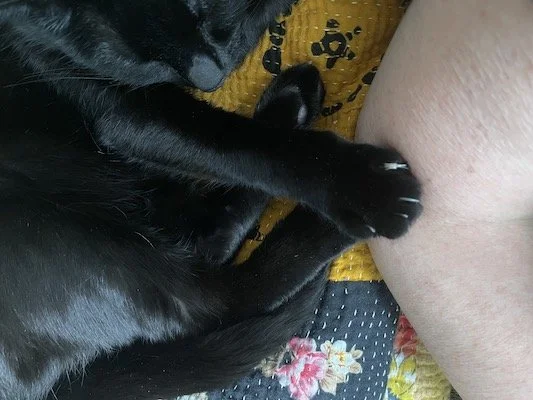
Clove watches and observes the shifting surroundings, the different presence schedule, more connection time.  She will stay alongside me while we are in the midst of instability.  We are expanding together.  Our care for one another is true.

Reimagining Home After Eviction

My imagination is intact.  Over the coming weeks, as the movements increase in speed, there is a heap more to share.  If you are part of the deathcare ecosystem in response to social injustice, an artist that finds life near cemeteries and dead things, community organizers who change systems, warrior caregivers in need of a respite, or an observer of social, cultural fabrics…
you have some story to tell in conversation.

Please come find me.

Be a Connection with Conversation and Community

  • share directly with your audience

  • feature the work and story in a newsletter or social channels

  • explore a small partnership or matching campaign

SHARE: https://undertheroot.studio/artist-cat-clove-motorhome-updates

GOFUNDME: https://www.gofundme.com/f/motorhome-for-artist-and-clove

CONTACT: https://undertheroot.studio/contact
Quick Answers to Frequently Asked Questions

What led to this housing transition?

This transition followed the sudden loss of long term contract work due to economic shifts, combined with the challenges of sustaining income as an independent artist and care worker. Despite ongoing efforts to secure employment, housing became unsustainable, leading to eviction.

Is housing instability common for artists and care workers?

Yes. Many artists, death doulas, and caregivers rely on contract or freelance work without consistent income or benefits, making them especially vulnerable to housing instability during economic disruptions.

Why frame eviction as a crossing?

In both life transitions and deathcare practices, a crossing represents a space between endings and beginnings. Framing eviction this way acknowledges the difficulty while also recognizing the potential for imagination and transformation.

What does reimaging home mean in this context?

A reimagining of home means creating then building a form of safety and stability outside traditional housing systems. An alternative that is adaptable, malleable, mobile, and aligned with the realities of our present day workflow.

Have a question not listed here? This project is built through conversation, please reach out or connect.

Writings by Jennifer M Brown of Under the Root

Presence-based death doula goods and support services for individuals and loved ones navigating death, dying, grief, and transitional thresholds.
A House on Wheels, A Life in Motion: Why One Death Doula Artist Is Choosing the Road

This is my present day juggle and the facts surrounding it are not for the faint of heart. This story is about what someone does when loss, survival, and hope collide at once.

I will begin with the endings.

After eight years with one tiny company and heaps of steady production work, as an independent contractor, my position was suddenly lost, evaporated before my very eyes. There was no lack of skill or commitment; the much broader economic forces shifted beneath my feet and disappeared the carpet from underneath. Tariffs changed the landscape and the higher ups made the decision to reign in their budget numbers. After the cut, I was left with not a large enough savings and no unemployment cushion. The absence of stability is what welcomed me when I landed home that night.

I pretended all was well and walked with curious, tiny steps of forward motion. The employment landscape was assessed by locating and targeting employment opportunities with daily applications. My years of experience began to mobilize in search of something sustainable. Community outreach, odd jobs, and selling personal belongings were a way to keep the cupboards full for myself and cat Clove. The volunteer work continued, the studying continued on. I dropped every possible subscription, insurance, and any extras to escape the ground giving way completely.

Until, the math of the time stopped working in my favor; the rent debt needed to be confronted with a decision. The landlord can not wait, eviction followed. The system wants you to believe in your failure and often leaves no margin for disruption in order to do so. I am now in the present moment, every moment, and here is where I shift the predictable, downward narrative into an expedition. A journey where my cat Clove and I are wildly tending to our survival by being within our community of becoming.

The Ending of Predictability

We faced the housing instability head on, again. We have been here many times. Normally, I am pushed into survival mode, grappling for a safe, sturdy home. This time feels slightly different. I am different, with so much help along the way of this life. My narrative no longer has room to be torn apart, thrown to the jail cell of impoverished survival, nor am I able to accept this predictable outcome.

There is an idea that comes through as simple on the surface, purchase a motorhome, make the adjustments for livability, and turn the hobbit house on wheels into both shelter, field base, and studio. Underneath that simplicity brews something more intentional; a woven platform for ways to travel and document and connect.

This expedition and journey will not be able to offer potable water if it is just about me. The journey lives at the intersection of expansive systems; an ethereal bond between art and deathcare. And in this bonded space is where explorations are happening with how we understand mortality, ritual, grief, and care across cultures. The plan is to move through different communities, actively listening and documenting, while emboldening cultural humility, ethical practices, and informed consent among our deathcare ecosystem. This narrative holds a space of place where we build a kind of living archive about how humans tend to death and each other.

It feels practical and poetic, as the necessity transforms into a mission.

Clove, the Companion

This newly written narrative does not unfold completely without a witness. Alongside my person is Clove. A feline I rescued six years ago, July 2020. She came from a 50 cat colony in a forest encampment miles away from where she is now. Feisty Felines scooped her up, one of the seven cats that asked to be rescued from that site.

I still have that video of her on the adoption page; she looked terrified, insecure, and absolutely ready for a different life. Clove is small in size but significant in presence for me. She is not just a pet, but a constant in a life that is about to become anything but constant. In these moments where work, housing, and routine have given way to quicksand, Clove represents our continuity.

The Reality Beneath the Vision

It certainly will be foolish to romanticize this expedition and journey. Images of the glorious open road with golden hour landscapes and dewy morning breezes; a wandering creative life unbound by rent or routine. I have been on the road before this and understand the reality can be much more turbulent than a simple and whimsical story. Besides, the underlying tapestry of this project runs far deeper into the ground. The motorhome is only part of the story. With the monies and the urgent time constraints, the most viable vehicle found needs to be titled, insured, repaired, and made structurally sound. It also needs to be safe and functional and weatherproofed for livability. The motorhome is the foundational phase of a far-reaching vision.

A Different Kind of Map

What is standing out to me most is that through the fog of hardship is a lighthouse. Instead of describing these moments as purely crisis, my mind is choosing a vision quest. I am selling my belongings, releasing long standing connections with my past lives, and becoming deliberate with my directional compass. The bridgework of this motorhome mystery tour leads to networks of connections that link people, places, and practices across a broader landscape of deathcare and culture. The map may not properly or perfectly exist yet, however, the actions revolve around moving through the world with listening, documenting, and participating in order to be present within the process of drawing it.

The Ask of Narration

From the core of my being, this is a story written about what happens when stability disappears, resilience resurrects, and a rebuild stands in its absence. This is a heavier lift than one story about one person trying to buy a motorhome. There are difficult questions and decisions to be made on a dime. There are even more unearthing questions which are happening deeper inside about home, place, value, and purpose. What does it look like to keep connecting with meaning and art when the ground is so winding and uncertain?

The Road Ahead

Right now, the goal is modest and immediate. We raise enough to build a safe, functional living space. The larger quest of vision stretches out farther, expanding to a moving home, a present day archive build, and root tending with care, culture, and conversation. Somewhere in the eye of this expedition and journey, between the breakdown and reinvention, a gentle stream of stability is waiting to emerge.

Be a Connection with Conversation and Community

  • share directly with your audience

  • feature the work and story in a newsletter or social channels

  • explore a small partnership or matching campaign

SHARE: https://undertheroot.studio/artist-cat-clove-motorhome-updates

GOFUNDME: https://www.gofundme.com/f/motorhome-for-artist-and-clove

CONTACT: https://undertheroot.studio/contact

Created by Jennifer M Brown of Under the Root

Presence-based death doula goods and support services for individuals and loved ones navigating death, dying, grief, and transitional thresholds.

The Death Tools Being Remembered

On psychedelics, dying, and wisdom that predates modern medicine.

When death becomes a true player and approaches our present day, in a very real way, it brings with it a spectacular kind of fear.  The fear of pain or the fear of what happens to the body is not the one on focus right now.  This fear is something more abstract and more difficult to place your finger directly on.  This fear is of dissolving, no longer being of a body with your consciousness, your face, and your idea of your place on this planet.  This fear takes a step beyond the edge of things familiar and places it into a space that can not be rehearsed or fully imagined. Some kind of trust is involved.

In the process of dying, this fear can move in waves as tumultuous as the ocean.  Sometimes it crests as sharp and immediate; other times it hums annoyingly in the backdrop of your life.  The fear shapes the emotional landscape of a human’s dying process.  Even for those who have lived full lives, even for those who feel prepared and ready, there is this deep, instinctual resistance to the unknown.

What if there was a way to meet that fear in a different way?  What if you did not have to erase or bypass its existence?  What if you were able to shift the relation with this fear, soften its grip with your present reality and open up space around the fear?  

Certainly, these are not new questions and observations.  They are very old ones that many humans have forgotten, and the answers have been stripped from many of us, replaced by fear.

The Long Memory

Ages before modern medicine began to define what is acceptable at the end of life, human beings across cultures had been working with powerful tools, plant medicines, to navigate the transitional threshold between life and death.

In the mountains of Oaxaca, Mexico, Mazatec healers have worked with psilocybin mushrooms for generations.  These were not casual substances.  They were held as sacred medicines, used in ceremony to heal, to receive guidance, and to move between worlds.  María Sabina, one of the most well known curanderas, described these mushrooms as a way of speaking with the divine.  They were a means of entering a state where the boundary between the living and the unseen becomes more permeable.  For those nearing death, or those accompanying the dying, these ceremonies offered a way to approach the passageways and crossings with reverence rather than fear.

In ancient Greece, there were initiates who traveled to participate in the Eleusinian Mysteries.  These mysteries were a ritual tradition that endured for nearly two thousand years.  Participants drank a ceremonial brew known as kykeon and underwent an experience often described as a symbolic death and rebirth.  Philosophers like Plato and Cicero wrote of these rites not as myth or superstition, but as profound encounters that transformed their understanding of mortality.  To be initiated was to lose the terror of death, not through belief, but through direct experience.

In the Amazon basin, Indigenous traditions have long used ayahuasca in ceremonial contexts to prepare individuals for death and to support communities in grieving.  These practices are relational, guided by skilled healers, and embedded within a broader cosmology that understands death not have to be an abrupt ending a transition within a larger web of existence.

Across continents and centuries, the pattern is clear as day. Human beings have repeatedly turned to these medicines at the edge of life. The medicines, ceremonies, and people were intentional and not reckless. They were held in community and not fringe practices in isolation. They were cultural, central, and woven into the fabric of understanding. For a very long time, this knowledge was carried forward with care.


What Was Lost, and Why?


The continuity of dying wisdom was disrupted in the mid-20th century.  In a relatively short span of time, substances that had been used ceremonially for generations were reclassified under emerging drug laws.  Psychedelics became associated with danger, instability, and a lack of medical value.  The research was halted, and these wise cultural practices were pushed to the margins.  The healers, elders, ceremonial guides and communities, the people who held this knowledge, were dismissed or silenced or colonized for profit.

This shift did not occur because these medicines had been thoroughly studied and found ineffective.  Of course not, the disregard was, in many ways, a broad and sweeping response shaped by political, social, and colonial forces of the time.  The result was a rupture.  A thread that had connected ancestral practices to the modern world was intentionally cut.  In the process, something meaningful was lost, for those seeking healing in life and for humans in relation with death.

The modern medical system continued to evolve in remarkable ways, extending life and managing physical symptoms with increasing sophistication.  Profits skyrocketed in exchange, insurance companies and greed consumed the treasured meanings and relations with stewards of the land.  Now, when it comes to the inner experience of dying with the psychological, emotional, and existential dimensions, so few tools remain.  The fears have not disappeared and the questions are still present.  What was once there to meet people with woven, ancestral practices are no longer accessible.

What the Research Is Remembering

In recent decades, a conversation has begun to reopen.  The profits and greed and insurance are still there.  Studies carefully designed at institutions like Johns Hopkins University and New York University continue to explore the use of psilocybin-assisted therapy for individuals facing life limiting and threatening illnesses.  The findings have been helpful for loosening the grip of stigma.

The participants in these studies have shown substantial and sustained reductions in death anxiety.  Many report an increased sense of meaning, a greater acceptance of mortality, and an improved quality of life in their remaining months.  For some, a single guided experience led to a shift that endured well beyond the session itself.  The fear is not eliminated or wiped off the map of our mind and body.  We are capable of recognizing and obtaining the ability to change its shape.  The way we perceive the fear by reducing its intensity, loosening its hold, and expanding its space for other emotional states to emerge.

Parallel research through organizations like MAPS have examined MDMA-assisted therapy for individuals with severe and treatment resistant PTSD.  While this work is not specific to end of life care, it has shown to be deeply relevant.  When there is unresolved trauma, this interrupted flow often intensifies distress at the end of life.  It makes it more difficult for individuals to find peace, comfort, and ease.   Sometimes, addressing trauma can significantly alter the emotional landscape of dying.

What these studies are seen to collectively suggest is that psilocybin and MDMA can facilitate experiences that are both psychologically meaningful and therapeutically beneficial.  The studies are rooted in structured, supportive settings.  For clinicians, this points to a growing body of credible research.  For individuals, communities, and families, it may offer options beyond simply enduring the fear.

What Does This Look Like?

Psychedelic-assisted end of life care, at its core, is relational work.  Many frameworks of best practices are being filtered into modern, western culture.  These ethical codes are unfinished unless they include the necessary and relevant highlights on cultural humility, diversity, community care, plus a multitude of other reverent groundworks.  Here, we take a look at three logistical steps for use with experiences into expanded or nonordinary states of consciousness.

Preparation begins with conversations about intention, fears and hopes, plus questions for what may come to pass.  These sessions are for identifying and building trust between the client and the companions, guides, guardians, or facilitators.  All participants use informed consent, boundaries, and ethical considerations while building a container where the experience can unfold safely with tenderness.

The day or night of the experience takes place in a balanced and supported environment.  The participants remain present; companions offer grounding, reassurance, and attunement as needs arrive in the present.  There can be music, art, movement, silence, and walking in frame.  The preparation sessions set up the environment to be of support for a relaxed and expanded process.  For many people, the experience envelopes a shift in perception, no matter how profound.

There may be an underlying sense of otherworldly interconnectedness.  This may figuratively or relatively dissolve the rigid boundary between self and world.  There may be subtle moments of insight, emotional release, or deep serenity.  These individuals describe encountering death not as an abrupt void, but as part of a larger continuity.  Others may find that the fear is no longer as overwhelming as it once was.  The priority and narrative of what was considered deep grooves of behavior, becomes more pliable for reflective softening.

An expected, specific outcome does not do well with psychedelic-assisted experiences.  The inner experience of dying is being tended to and the management of it is deeply personal.

Integration sessions begin just after a bit of rest and reset.  There is time to reflect, to make meaning, to carry whatever emerged into the remaining days or weeks of life too.  This step is as important as the experience itself.  Integration offers help by bringing any insights into a lived reality.  Death is not ever removed, it simply has a greater opportunity to be seen in a more integrative light.

Continuation of Thoughts

There is a growing recognition that end of life care has reached its own threshold and must extend beyond the physical.  There are essential, extra ordinary care providers working with pain management, symptom control, and medical intervention.  We are all growing in the same direction and a big part of the deathcare ecosystem.  The psychological and existential dimensions of dying are threads within humanity and all living things.  Ever more widely, humans are identifying the questions of meaning, connection, and fear.

There are plants, cultures, and communities that have been on our planet for a very long time.  There may be a possibility of remembering these medicines and actively listening within conversations with them.  Conversations around practice, research, land knowledge, ethical acceptance, plus consensual boundaries.  We do not need a replacement for modern medicine.  Death is a gigantic complement as an integral area of inclusion within the medical care system.  This addition expands the options for care at the crossways, passageways, and transitions of deathcare.

Humans across time have welcomed a way of being with the unknown and it remains unforgotten.

Important Disclaimer

This resource is intended for educational and professional development purposes only. It does not provide medical or legal advice. Practitioners are to always follow local laws, professional guidelines, and medical consultation when appropriate.

Created by Jennifer M Brown of Under the Root

Presence-based death doula goods and support services for individuals and loved ones navigating death, dying, grief, and transitional thresholds.
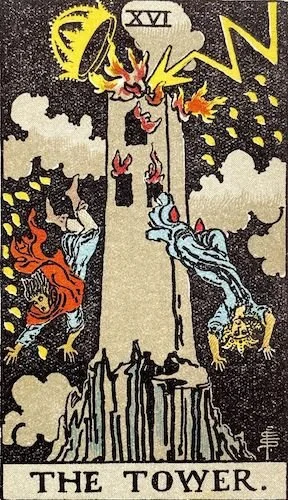
Preparing for Psychedelic Experiences at the End of Life: Dear Death Doulas

Discover how death doulas can support preparation, presence, and integration for clients exploring psychedelic therapy near the end of life.

Preparation and integration are two of the most important aspects of any psychedelic experience. For individuals facing life-limiting illness, existential distress, and profound grief, these stages can be particularly meaningful. Death doulas are grounded as a supportive role by helping clients clarify their intentions, create a supportive environment, and facilitate reflection with the experiences afterward.

Intention Setting with Support

The preparation before the psychedelic experience begins with grounded intention. There is an alternative besides framing psychedelic exploration as a way to uncover metaphysical answers about death. Clients benefit from focusing on emotional intentions involving less fear, peace with their life, and processing unresolved grief. Intentions with clarification help anchor the experience and reduces confusion or unrealistic expectations.

The Importance of Set and Setting

A formidable role in shaping psychedelic experiences is the environment. The comfort and ease of surroundings become especially important for medically fragile individuals. Some of the basic elements to consider include lighting, temperature, hydration and bathroom facilities, space with minimalized interruptions, and agreed upon touch consent. One or more preparation sessions guide the set and setting for each unique client. These sessions are treasured for reducing the day of anxiety, and they are substantial action steps for individuals to remain grounded throughout the experience.

Holding Presence During the Experience

A death doula is present to provide nondirective support. This looks like not interpreting symbolic experiences, refraining from imposition of spiritual narratives, and the calm reassurance plus attentive listening. If fear arises, some grounding reminders can help lift the fear and lets them know you are here with them. The death doula’s nervous system can become a stabilizing force for the client. A psychedelic-assisted training course with added grief and first aid courses are priceless tools in this practice.

Integration: Making Meaning After the Experience

Integration allows individuals to translate the experience into meaningful reflection and action. The intentional process of psychedelic integration makes sense by applying the insights, emotions, and experiences gained during a psychedelic session. Death doulas ask gentle inquiries into what feels different now and if there are things to say or do as a result of the experience. The client may come up with ideas for recording messages to loved ones, reconciling strained relationships, updates to ethical wills, and unique reflections on legacy and life meaning. Integration, the after sessions, are not to confirm metaphysical truths for the client. Instead, these sessions focus on relational closure, emotional processing, and personal meaning.

Knowing When Psychedelics Are Not Appropriate

It is important to note, there are situations where psychedelic exploration may not be exactly the right choice. The examples where it may be more potent to find alternatives to psychedelic-assisted care do exist. These include: if the screenings show untreated psychiatric instability or active suicidal ideation, medical fragility without supervision, or deep family conflict and even coercion. Ethics of care sometimes means leaning into a choice not to proceed. This is where the ecosystem of each client holds the most weight, and where a death doula is most supported by the strength of their professional community.

Presence Over Transcendence

Ultimately, the role of the death doula is certainly not to produce extraordinary experiences. Death doulas offer grounded companionship and safety during a deeply human transition. Psychedelics are powerful tools in certain contexts, but presence, cultural humility, and discernment remain the core foundations of exceptional, transitional threshold care.

Important Disclaimer

This resource is intended for educational and professional development purposes only. It does not provide medical or legal advice. Practitioners are to always follow local laws, professional guidelines, and medical consultation when appropriate.

Created by Jennifer M Brown of Under the Root

Presence-based death doula goods and support services for individuals and loved ones navigating death, dying, grief, and transitional thresholds.

The Ethical Framework for Psychedelic Conversations in Death Doula Practice

Learn the ethical guidelines death doulas follow when discussing psychedelics with clients facing serious and life-limiting illness, including consent, legality, and professional boundaries.

As psychedelic-assisted therapies gain attention in medical research and public discussion, death doulas are encountering clients who are curious about these experiences. Some individuals approaching death may have participated in psychedelic therapy, while others may wish to explore expanded states of consciousness to address fear, grief, or existential distress.

These conversations are valid and require an open and ethical navigation. Death doulas are able to balance this openness with clear, professional boundaries without losing sight of the discomfort or pain the clients are enduring on a regular basis.

Understanding Scope of Practice

Death doulas typically provide non-clinical support. Our work regularly focuses on emotional presence, relational care, and as companions with individuals to navigate the dimensions of dying. It is held in the highest regard to support reflective conversations where boundaries are maintained that protect both the client and ourselves. While death doulas do not provide medical screenings, assess psychiatric stability, nor prescribe medications; there are organizations and universities that provide trainings for psychedelic-assisted, transitional threshold care.

Informed Consent Is Essential

Clients facing serious and life-limiting illness may experience cognitive changes due to medication, disease progression, or delirium. Before engaging in any conversations about psychedelic exploration, it is essential that the client clearly understands potential risks and unknown outcomes. There are legal considerations too. The right to decline or withdraw right up to the moment before a planned experience is exactly that, a right. Documentation from conversations before, during, and after helps maintain transparency and accountability. An informed consent document is a step for death doulas to remain compliant.

Recognizing Vulnerability

Serious and life-limiting illness can increase emotional vulnerability. Individuals may feel pressure to try new therapies in the hope of relief or transcendence. Death doulas must ensure that psychedelic exploration is not driven by outside forces. Some of these include family expectations, cultural trends, desperation, and companionship bias. The autonomy of the client is the central point of protection.

Cultural Humility in Psychedelic Conversations

There are many psychedelic traditions that originate from indigenous ceremonial practices. These traditions have been forged with cultural, spiritual, and historical significance. Plant medicines and psychedelics themselves are woven with land, peoples, and places that call for our respect and honor. Death doulas are to avoid appropriating rituals or presenting themselves as spiritual authorities at all costs. We lead with cultural humility to invite ongoing reflection about power and privilege. This approach encourages curiosity rather than mastery and emphasizes listening to the communities and individuals whose traditions shaped these practices.

Ethical Support Means Knowing When to Refer

Sometimes the most responsible response is referral. If a client shows signs of psychiatric instability, suicidal ideation, or medical complexity, collaboration with physicians and mental health professionals becomes essential. Ethical death doula practice requires recognizing limits and prioritizing the wellbeing of the individual above all else.

Important Disclaimer

This resource is intended for educational and professional development purposes only. It does not provide medical or legal advice. Practitioners are to always follow local laws, professional guidelines, and medical consultation when appropriate.

Created by Jennifer M Brown of Under the Root

Presence-based death doula goods and support services for individuals and loved ones navigating death, dying, grief, and transitional thresholds.

Psychedelics and Transitional Threshold Care: A Guide for Death Doulas

An exploration of how death doulas can tenderly and ethically support conversations about psychedelics, including preparation, risks, and integration in transitional threshold care.

In recent years, there has been a wealth of renewed research into psychedelic-assisted therapy. This research has opened many streams of authentic conversations about how non-ordinary states of consciousness may support people facing life limiting illness. Studies exploring compounds like psilocybin suggest potential benefits in reducing existential distress, depression, and anxiety for individuals confronting mortality. For death doulas, this emerging field raises bonafide questions:
What role can we ethically play?
How do we support clients while maintaining clear boundaries and professional responsibility?

If you want to understand the role of psychedelics in transitional threshold care, there are a handful of resources listed within the Community Resources page. The Psychedelic Support Primer, Safety and Ethics Checklist, Cultural Humility and Diversity Checklist, and Psychedelic Support: Informed Consent Document and Preparation Notes. Psychedelics require thoughtful awareness, cultural humility, and a commitment to relational support rather than simply clinical intervention.

Why Psychedelics Are Being Discussed in End of Life Care

People approaching death often grapple with profound emotional and spiritual concerns, including fear of dying, unresolved grief or relationships, existential anxiety, and questions about meaning and legacy.

Research into psychedelic assisted therapy suggests that certain experiences can create shifts in perception, emotional processing, and meaning-making. Some individuals report increased acceptance of death and reduced psychological suffering following thoughfully supervised therapeutic sessions. However, it is important to recognize that psychedelics are not a universal solution, nor are they appropriate in every circumstance.

The Death Doula’s Role

Death doulas do not act as psychedelic facilitators unless they have specific training and legal authorization. Alternatively, their role is centered on presence, emotional support, preparation, and integration. Within scope, a death doula supports clients in clarifying their intentions. They hold space during conversations about fears, grief, and meaning. A death doula provides grounded companionship before, during, and after a therapeutic session while encouraging reflection.

This work is relational rather than clinical. The focus remains on helping individuals explore their experience without directing them toward a specific outcome.

Ethical Considerations

Ethics, boundaries, and informed consent must be the cornerstone of every conversation about psychedelics. Here are some important considerations:

Legal awareness
Psychedelic legality varies widely by region. Supporting clients in legally sanctioned therapeutic contexts differs significantly from involvement in unsanctioned use.

Informed consent
Clients must understand potential risks and unknowns. Cognitive capacity may fluctuate in terminal illness, making careful assessment essential.

Avoiding coercion
Individuals facing serious illness can be vulnerable to pressure by others. Exploration of psychedelic experiences must always remain driven by the client.

Psychedelics are Not Miracles

While psychedelic experiences may offer insight or emotional relief for some individuals, they are not universally beneficial and can carry real risks. For death doulas, the goal is not to create transcendence. The aim is to create safety, integrity, and tender presence during one of life’s most profound transitions.

By approaching this topic with additional psychedelic-assisted training courses, cultural humility, grief education, and ethical awareness, death doulas can responsibly support conversations about expanded states of consciousness while honoring the complexity of dying.

Important Disclaimer

This resource is intended for educational and professional development purposes only. It does not provide medical or legal advice. Practitioners are to always follow local laws, professional guidelines, and medical consultation when appropriate.

Created by Jennifer M Brown of Under the Root

Presence-based death doula goods and support services for individuals and loved ones navigating death, dying, grief, and transitional thresholds.

The Quietest Deaths Are Often the Most Prepared

I have now been present for many deaths. Some felt chaotic and full of scrambling, confusion, conflict over what the person may have wanted. Others felt spacious, intentional, with the humans and animals in the room knowing exactly what to do and were being just that. The difference between these two experiences was not luck or by accident. The reasoning underneath the calm serenity is not the illness, the timeline, or even the family dynamics. It is the keen awareness of preparation.

What Preparation Actually Looks Like at the Threshold

When someone has leaned into the groundwork for their death, you can feel the resonance in the room and in the softness on faces. There is less panic and second-guessing. Quite a bit less of questions around what do we do now?

Most of the questions have already been discovered, answered, and shared:
What does this person value and desire at their transitional threshold most?
What kind of care do they choose at this time?
Who is their trusted loved one to make decisions?
What will help them feel care and support?

The precious loved ones and community are not guessing with answers to these questions. They are following a treasure map that the most important participant created for them, and that preparation most often has changed every thing.

I supported a person who had spent quite a few months preparing for their death. Instructions, ideas, additions, and deletions were made nearly every year. They were not dying imminently. No, they truly were gracious and placed a heap of care into how they were meant to meet their transitional threshold.

They clarified their values. They spoke with their loved ones and their community members. They documented the wishes. They laid groundwork for their priorities and essentials. They imagined the details of environment that they desired. More recently, they stepped into the remaining weeks, and there was no scrambling nor chaos.

The community of loved ones had a firm grasp on what truly mattered to their person’s death. They understood that the choice was comfort over intervention. They were aware that their person wanted ambient music and nature sounds, shadowy lighting, the smell of fresh air, and their sibling’s hand in theirs. The community did not have to linger with questions above their heads. They did not have room to argue. They did not have to later entertain the wonder if they had made the right choices. They just had to be with each other and that is specifically what their person wanted.

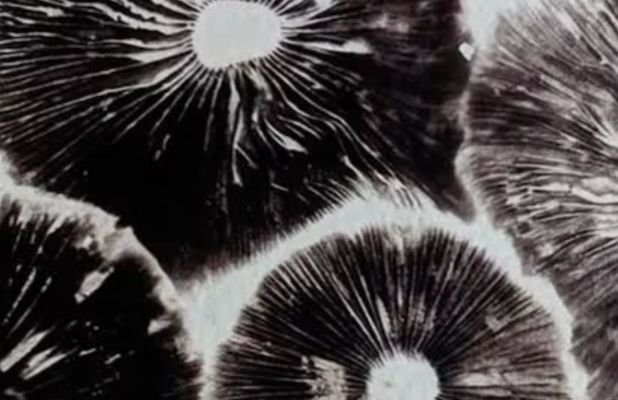

The Cost of Remaining Elusive

On the flipside, I have also witnessed what happens when someone has not dug into preparation. The loved ones and community gather. Decisions need to be made and yet no one knows what their person wanted and wished for. One person blurted out, they will have wanted everything done. Another person stated, no, they will have not wanted to suffer like this. And just like that, suddenly the room was not about their person dying. It had become about the other’s conflict.

The person took their last breath. The community of loved ones were left with guilt, regret, and unanswered questions. Did we do the right things for them? Will they have wanted the dying process to look and feel like this? Why did we remain elusive with this topic? Why did we not have open conversations when we had the time?

This is some of the cost of avoidance and not just for the person dying but for the peoples left behind. I write these narratives not to impose guilt, to impress and embolden agency. The security of your wishes are protected and desired, if not only for yourself, for a community that is showing up for you as you have done so for them.

What People Wish They Had Known Earlier

There are some common themes that continue to show up from loved ones, communities, and family members after a death. They mention that they wish there had been more conversations about their wishes earlier, and they wish for more time. It is extremely rare that I hear that they are disappointed that there were conversations about their death priorities, values, essentials, and goals or that the conversations about their preferances made things worse.

I have named the preparation, death groundwork. When someone decides to have the groundwork done early, it is profoundly gentle and most of all offers clarity. It removes pressure instead of adding it to the mix. Because preparation done in crisis is brutal. It gives people all kinds of feels and is rushed. It hangs heavy in the air without breathing room. It often comes too late to make the choices you really want. Whereas, the people who prepare early and who have the awkward conversations, who clarify their values and who document their wishes. They do not regret it, not once.

The people who wait, do not carve out time, or do not feel a source of agency? They almost always wish they had started sooner.

The Relief That Comes with Preparation

A breadth for you to ponder a handful of things:
Preparation is not morbid, not pessimistic, not giving up or in. I believe death groundwork to be one of the most generous, life affirming things you can do for you and the community surrounding you, especially you. You are able to meet death with clarity, and even companionship, instead of the chaos. Your community is spared from impossible decisions and unnecessary guilt. Your preparation creates the conditions for presence instead of panic. That seems to be what the quietest deaths have in common.

The Invitation

If you are reading this and your ears begin to wiggle, a smile or something in you has begun a stirring, or if you find yourself thinking well this is interesting and I want to do that. And if you are listening to your body’s desire for grounding, I am here to help build a bridge with you.

You do not need a crisis to prepare. You do not need a diagnosis. You do not need anything other than the recognition that death is coming for all of us, and while it is one of the most natural thresholds for all living things, you will much rather meet it consciously and curiously. Take the time to create the conditions for you to be supported with your lightness of being. The quietest deaths are the most prepared ones.

Why Death Groundwork Gives Your Nervous System a Rest

Most people avoid death groundwork because they think it will make life feel more weighted and heavy. They imagine that thinking about their own death will create more fear, more anxiety, more dread. The opposite of those imaginings are actually true.

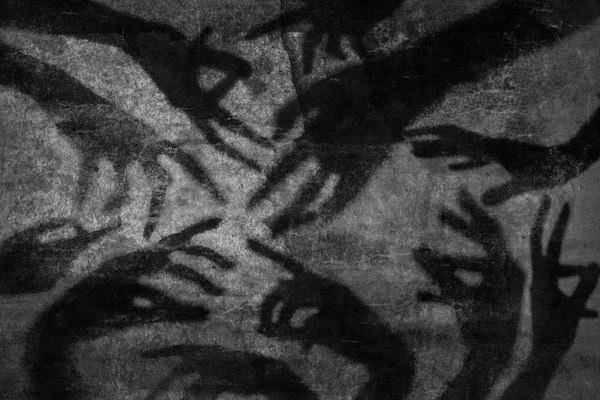
shadow art figure running away with human hand grasping

The Hidden Weight You are Carrying

There is a specific kind of tension most people carry without realizing it and it has been normalized, accepted, and lives rent free in the background of our lives. It is quiet and constant and barely noticeable until it has nearly disappeared completely. This weight shows up when death is mentioned casually or in passing. It makes itself known when a loved one gets sick or when you see an article about estate planning and immediately scroll past it.

You find that your body braces, your breath shortens, and your mind says not now and moves on. The avoidance of your death is not because you are weak or unprepared. You are avoiding it because you do not have a comfortable place to put the notion of death. Unfamiliar things that we have no language or structure for feel threatening even when the truth is that they will not harm you. The weight of being unprepared carries fear and is exhausting. Death is inevitable. Death groundwork is your lantern for the path.

red lantern sitting on tree stump in the forest

What Groundwork Actually Does

When you develop groundwork for death, you are not inviting death to come more quickly. You are carving out a space for your nervous system to have somewhere to land and be safe. Some of the phrases that support the space are:
I have thought about this.
I have some clarity.
I know what I do want.
I know what I do not want.
I have communicated it to the people I trust.

Your body will indeed register these phrases as safety. Death does not suddenly feel fine, the unknown becomes slightly less unknown. You have turned the scrambling into orientation and the bracing into breathing. I have been ever so grateful to have watched this shift happen over and over. Someone shows up with me carrying so many years of avoidance. Their shoulders are tight, their breath is shallow, their mind spinning with the knowing that preparation is something they are supposed to do but unclear as to where or how to begin.

We have a conversation that prompts its beginning. We clarify what matters most. We imagine the transitional threshold. We make a few key decisions. We document the essential. We have not solved all the things, but the weight of undone work has been lifted away.

small bird sitting on the edge of a pine branch

Groundwork as Relief, Not a Burden

Death groundwork is the relief valve for uncertainty. Not in a morbid now I am ready to die way, instead, in a now I can stop thinking about this and actually live way. Because once some groundwork is there to support you, you are no longer spending mental and emotional energy avoiding the inevitable. You are not carrying guilt about conversations you have not had the space to have. You are not worrying about leaving your loved ones with impossible decisions. You are not holding your breath every time death comes up.

You have done the groundwork and now you are free.

The Practical Benefits

Beyond the emotional relief, groundwork also offers practical benefits.
For you there is clarity about what you want, agency over your own transitional threshold, and a steadfast confidence that your wishes and desires will be honored. For your loved ones, the guessing is extinguished, conflict over what you may have wanted disappears, and any scrambling to make decisions in a crisis is averted. Your care community feels much less chaos or regrets and a whole heap of unnecessary suffering is dramatically reduced.

These are not small, insignificant things. They are the difference between a death that feels warm and comforting and one that feels chaotic or out of control.

You Do Not Need to Do Everything

Another gigantic misconception about death groundwork is that it has to be complete to be valuable. It does not. You do not need a 50-page document nor do you need every contingency mapped. There is no need for perfect certainty in every single decision.

Some of the few key decisions that remove the most common points of crisis:

  • Who you trust to make decisions if you are unable

  • What quality of life means to you

  • Whether you prioritize longevity or comfort

  • One person who knows where your documents are

Those few choices are some of the ones that matter most when death arrives. They are the difference between chaos and clarity, and they do not take months to figure out. They involve the willingness to embrace your decisions.

puzzle of burned book pages

The Freedom Waiting for You

If, by chance, you have been avoiding death groundwork because you think it will make your life feel heavier, I do want you to know that the weight you are carrying now, the weight of avoidance, is heavier than the work itself. Death groundwork is liberation. It is the gift of ground beneath you. The relief of knowing. The freedom of living without constant background fear.

You do deserve that.

How to Build and Create a Memorial Altar at Home

An overarching and highly malleable guide to creating or building a sacred space for remembrance

Grief does not do crowds. It is much more comfortable tucked away in a cabinet or in secret. Most of time it needs the simple things like a table, a candle and a quiet place to sit.

The creation and build of a memorial altar at home is one of the oldest and most human ways to honor those living things that are now dead. Across the cultures and the centuries, people have marked loss not only with ceremony, but with a visible space dedicated to intentional acknowledgment that something mattered and still matters.

A home altar does not need to be dramatic and elaborate, although it can be. The space and environment it inhabits can be reflective of your domain. It is magik and it is deliberate. A dedicated space of reverence and focus.

Why Create a Memorial Altar?

A memorial altar is the exchange of grief, memory, gratitude, and tenderness.

It is a portal for support in the days following a funeral and anchoring a home vigil. The altar marks anniversaries of death by honoring an ancestor or beloved animal. This prepared space and place is for prayer, meditation, and quiet conversations. In modern Western culture, grief is often rushed, if it is acknoweledged at all. A home altar slows the grief process, honors the softness, and leans in to say: this matters.

What You Need for a Simple Memorial Altar

There is no perfect or righteous formula for your memorial altar, intention matters much more. The following list describes some foundational elements that are often included in a memorial altar:

1. A Surface - small table, shelf, or dedicated corner.

2. A Photograph or Object - something that holds the essence of the person or being you are honoring.

3. Light - candles are traditional in many remembrance rituals, symbolizing continuity beyond form.

4. Natural Elements - flowers, branches, stones, or water connect the altar to the living world.

5. A Boundary Marker - framing the space with fabric, cloth, or a ceremonial object distinguishes it from everyday surroundings.

The UTR studio handcrafts memorial garlands which can serve this purpose beautifully, draped along the edge of the altar or surrounding the space to signify protection alongside reverence.

The Importance of Threshold

Death is a bridge, a passageway, and a transitional threshold that each of us will cross. In many traditions, the doorway, window, or edge of a table is symbolically powerful. Framing these edges during a remembrance ritual signals that something important is occurring. Objects like a handcrafted altar garland create a visible containment for grief, not to confine it, but to hold it the way we hold a flower in our hands or brush the hair away from the eyes of someone we care about.

How Long Does a Memorial Altar Remain?

There is absolutely no time rule. Some keep a funeral altar for three days. Some for forty. Some create and build their altar fresh every time. Some burn it or bury it. The altar can also evolve. It can be dismantled when the season shifts. Or, it can remain quietly present until the time comes where it needs to be stored away. Grief and remembrance do not follow our gregorian calendar. Nature is not robotic, it howls at the moon, breaks down barriers, and rides the wind streams.

Closing Reflection

A home memorial altar encompasses presence. In a culture uncomfortable with death, choosing to create a space for remembrance is a radical act of tenderness. Tenderness is a form of strength and courage when tuned towards the breath of life.

You Do Not Need a Mentor for Death - You Need A Witness

There is a particular kind of harm that happens in death work when expertise becomes more important than presence. It may be subtle and often well-intentioned, but it sure is devastating.

It happens when someone shows up vulnerable, uncertain, and afraid and they receive answers instead of the expansiveness of active listening and space. It happens when protocols and competence outweigh the pacing and tenderness. The response is usually a frozen and frazzled nervous system. What they needed was safety before information.

What Death Support Actually Requires

Most people assume death support is about knowledge. About having answers to complex questions. About credentials and experience and systems. And yes, those things matter. However, they are not what matters most.

What matters most is the capacity to be with someone without trying to fix them. When we can hold space without filling it immediately to the brim. A reflective pace with their nervous system works wonders instead of pushing against it. This is what I now call tender authority.

It is not soft in the sense of lack in strength. It is soft in the sense of being responsive, flexible, pliable, and attuned to what the person in front of you needs, not what a typical framework says they are supposed to need.

Why Trust Comes Before Information

Your nervous system decides before your mind does. You can see someone's credentials. You can hear about their experience. You can intellectually recognize their qualifications. But if your body contracts in their presence or if your shoulders tighten, your breath shortens, and your guts say something is off; that somatic response throughout your body matters more than any resume, testimonials, or referrals.

Death work requires vulnerability and vulnerability requires safety for all those involved. The kind of safety that sticks does not come from expertise alone. The safety comes from witnessing the person, not a problem. It comes from allowing breadths of slowness, softness, and resistance.

This is why I am unable to rush. Why I ask more than spout rules or regulations. This is also why I create spaces for silence to exist instead of filling it with my own knowledge. It takes practice. The work is not about me proving I know things because that is false. It is about creating conditions where tender humans can access their own knowing. You are the authority of you.

The Difference Between Guidance and Control

The good death support is collaborative, not prescriptive. This distinction matters immensely. You are probably not hiring someone to take over your death. You are hiring someone to support you in shaping it yourself. When support becomes control or when a guide centers their expertise over your experience, then you just gave your agency away. And your agency attached and alive is the whole point.

  • I do not tell you what you are supposed to want. I can, however, help you figure out what you do want.

  • I do not impose meaning on your death. I help you clarify the meaning that already exists for you. The breadth of your imagination is something you have been creating this entire existence.

  • I do not use urgency as a tool to move you faster than your body wants to go. I respect that your pace is the exact right pace.

How to Recognize Good Support

Here are some markers toward what good death support feels like:
Your shoulders drop during conversations. Your breath is deep and soothing. You leave feeling steadier, not more overwhelmed. Questions are welcomed, not rushed past. A solid No, or an I do not know yet are both complete answers. Slowness is where wisdom catches air, not in the static of resistance. You feel met as a person, not managed as a task.

That is the benchmark.

If you feel rushed or pressured or like you are supposed to be further along than you are, fear not!, that is just information coming through exactly how it is supposed to. That is your nervous system relaying messages to you this is not the right support. Listen to it.

What I Am Offering Instead

I am not here to tell you how to die. I am here, to witness and companion, as you figure that out for yourself. I bring some structure, space, and steadiness. You bring the knowing of your own life, your own values, your own needs. Then, together, we build something that feels true to you. The preparation is not true to my framework, nor true to some external standard of what a good death is supposed to look like.

I am a witness for what is innate to you.
That is tender authority, and it is the only kind of death support worth having.

Death Is By Your Design: Reclaiming Authorship at the Threshold

Most people do believe that death is something that happens to them. It is a medical event or biological conclusion. Something which lies just outside their reach.

That is not the full scope of the truth and while you may not be able to control the timing or the outcome of death, you absolutely can shape the experience of it. You can design the conditions. You can choose the lens through which to blast your imagination into overdrive. You can participate in one of the most significant thresholds of your life… or you can let it happen by default. This is personal and what I encourage when I say death is by your design.

What Death Authorship Actually Looks Like

Death authorship does not mean you are about to control the death itself. It means making intentional choices and clarifying how you want to be cared for, what environment feels right, who you want present, and what kind of atmosphere you are moving toward. These are not abstract or unattainable questions. They are design questions. The answers shape your experience. It looks like asking yourself a few mighty questions:

● What do I want the room to feel like?

● Do I want intervention or comfort prioritized?

● What sensory details matter to me—lighting, sound, temperature?

● Who do I trust to hold space with me?

● What do I want said, or not said?

I have watched someone relax the moment we sat outside daily in the air. I have read poetry, weaved with wool, told stories for hours, and decorated environments away from the noise of outside. The span of comfort or preferences such as dimmed lights and lamps from home. I have been with families that respond with softness when we turned off the relentless beeping of monitors. I have witnessed the shift in a room when someone's favorite music or instruments replaced a sterile, clinical silence.

These simple and free choices matter. They are by no means frivolous. They are part of how your body experiences the transitional threshold and also the beginning questions to the agency of your design.

Why Most People Avoid This Work

The cultural narrative around death is passive. So many of us are taught by example that death is something to endure, not design. Something that happens in these supposed, cubicle rooms with protocols and rules and regulations that we do not fully understand. These decisions have been made by people in white coats, usually male bodies, and black coats behind desks.

But that really is only one version of death.

I am here to embolden the changes taking place.

These decisions are not the only ones available to you.

The reason most people avoid thinking about their death is not that they are afraid of dying. It is that they are afraid of arriving there unprepared, disoriented, without language, without ground. Preparation will remove that fear. It does not spin death to be controllable, at the whims of others, nor by shrugging shoulders. Let us make it participatory.

Imagination as a Practical Tool

One of the most powerful tools in death preparation is imagination. Before you can make practical decisions, you need to be able to visualize the threshold. To imagine what good will feel like for you. Imagine a nervous system that recognizes itself. This can be met gently and with your entire being. Where visualization and value statements intersect, fear takes a backseat. This is a step that turns the abstract into something concrete. It gives your body a reference point that you recognize.

A quick and tender check-in is to close the eyes and float, then imagine:
What does the room look like? Who is there with you? What does the air feel like? What sounds are present? How does your body feel held? What do you not want to be there? You are not committing to anything here, just wandering. You are building an orientation. The awareness of yourself in ideal terms, and the orientation is where all the good trouble of preparation begins.

The Freedom in Authorship

I have been paying attention and learned after only a few years of this work that people who prepare for death are not more afraid. They become less afraid. They have done the thing so many do avoid. They look directly at their own mortality to clarify what matters and design the choices.

Humans become free because of their courage and bravery. Free to live without that background hum of dread. Free to talk about death without flinching. Free to know that when the threshold comes to meet them, they will not be walking completely blind.

That is not a morbid space; it is a creative agency. Death will come. It shows up to meet with you. Perfectly enough, you do get to choose how you meet it. That choice, that unique and personal authorship, does change every thing.

Language Prepares the Nervous System Before the Mind Understands

There is a reason most death conversations feel unbearable. It may not be the topic itself, rather it is most likely the language we use to approach it.

lan·guage
/ˈlaNGɡwij/
noun: language; plural noun: languages

the principal method of human communication, consisting of words used in a structured and conventional way, conveyed by speech, writing, or gesture.

The words like "terminal." "end-stage." "life-limiting." "final arrangements.", these are NOT neutral terms; these are words loaded up with finality, fear, and medical distance. When your nervous system hears them, it buckles into the chair and braces. This is not because we are unprepared or weak. It has been proven that language shapes experience, often before the conscious mind even arrives with the actual words.

The language and words that are used here go through a creative and tenderness filter of my mind first. As a poet at the helm with Under The Root, my personal language prepares the nervous system before my mind understands and allows them to be used across the forest floor of everywhere else.

Why Language Matters in Death Work

Does your body respond to language faster than your mind can process it?

When someone says “it is time to get your affairs in order”, your nervous system may hear a sense of urgency, a threat is in the room, something is wrong.

When someone says "let us share some ideas of how YOU want to be cared for", your nervous system hears an invitation, possibilities, agency.

This is the same conversation, wildly different outcome.

I do work diligently and honestly with words. This is not because I am busy working hard at being precious or poetic for its own sake. It seems to me that understanding the language I use either creates a sturdy, tender ground or it outright deletes it. In death work, it is clear as the night sky that a connected and woven ground is precisely the mighty foundation suited for the many things that it will support.

The Difference Between Clinical Language and Human Language

I have noticed that most death education uses clinical language like advance directives, living wills, healthcare proxies, and DNR orders. These terms are necessary for legal and medical contexts. However, they are not where you begin when working with someone who is afraid. This clinical language is actively creating a wide valley between human and death. Language has been turning death into a bureaucratic process for so long that we are indoctrinated to the fear instead of welcoming our naturally gracious threshold.

The use of more human language may invoke the opposite of fear. Instead of advance directive, we exchange it for clarifying what matters most to you. Instead of end of life planning, it seems most fitting to say, preparing for the meeting with your transitional threshold. Instead of patient wishes, I suggest the use of what you want. These are not just my semantic choices. They are nervous system choices with creative thinking, tenderness, and unique imagination at the core. One set of words makes the body contract like a slinky. The other helps it be at ease and soften.

How Language Creates Safety

When I work with someone, the nuance to their body is in my view. The noticing when their shoulders rise, when their breath shortens, or when their eyes glaze over matters. Because they may have left the conversation and gone into a protection mode. These are my cues to change the language and step back. Not to simplify the words, but to make it more human, more spacious, more true to what we are actually talking about.

If the person’s nervous system is in a threat response, they are unable to integrate the information. They are having a tough time making clear decisions because they are blocked from the access of their own knowing. They are probably just working out how to survive our conversation. So, when the language feels safe and secure, it creates oodles of space instead of forced pressure. An invitation has just been created instead of urgency. The body relaxes and breathes in the surrounding air.

This is when real preparation becomes possible.

The Language of Under The Root

Under The Root, we are building a sanctuary for the language about death to be ultra supportive and kind, full of possibilities.

We will not use fear or urgency as the motivators. We do not rush. We do not impose or frighten.

We use words like:
Threshold instead of "end".
Because death is a bridge or crossing, not a conclusion or the goal.

Authorship instead of "control".
Because, silly humans, although we can not control death, you CAN participate in shaping the experience of it.

Ground instead of "plan".
Because what people need most is not that perfect and precise roadmap. Humans desire a sense of steadiness.

Witness instead of "expert".
Because death work is not at all about me having the answers. It is ultimately about creating ample space for you to find yours.

Tenderness instead of "compassion".
Because tenderness implies action, care, and attunement. It is not just a feeling.

This is not our branding language. This is our use of philosophical precision. These words do not seem to be interchangeable with their clinical counterparts. They create entirely different nervous system experiences. The unique difference matters immensely.

What This Means for You

If you have ever left a death conversation feeling more overwhelmed than when you started, it was not your fault. It was the language. If you have ever felt rushed, pressured, or like death was being presented as an emergency that you are behind on… that was the language too. At Under The Root, we are diligently approaching death as something that can be met gently and with confidence. This is not because death itself is gentle. We believe it is because the language we use to approach it can be.

So, when the language is right, when it creates safety instead of threat or orientation instead of panic, the very thing that is frightening changes shape. Your body will stop bracing and spinning endlessly. The breath then has the opening to deepen right down to the very core of you. Without a doubt, the preparation begins to not feel like something you have to force yourself through. It feels like something your nervous system has been waiting for.

Why This Approach Is Different

Most death work does prioritize information over integration. I will say that again, most of the death work prioritizes all the damn information over the integration. It assumes that if you just have the right facts, the right documents, the right legal structures, you will be prepared and be ok. I do not believe that the human preparation works exactly in that way. You can have all the paperwork in the world and still feel unprepared if your nervous system has not had the chance to orient to what is on its way.

This is why language is coming first at Under The Root. Before the documents, before the decisions, and definitely before the logistics. We will begin with words that help your body recognize: This is something I can meet. This is something I am allowed to shape. This is something that can be held so very close to my person. That is the ground everything else is built on.

The Invitation

If the language in this piece feels different to you or if something in your body softened and lit up while reading it, that is the intended meaning of this information. It may well be your nervous system recognizing that this is the kind of support you align with.

The language that rushes or pressures is overreaching. The language that treats you like a problem to solve bypasses humanity first. On the other hand, the language that creates and expands your space is breathing. I want language that honors your pace. I want to lead with the kind of words and feelings that treat death as a threshold you are allowed to approach consciously and with all the awareness you can muster.

That is what Under The Root offers and if you are ready for that kind of preparation, I am here, weaving words to support and steady the threshold for you.

The Brambles and the Business of an Innovative Hekate

A new gregorian year is about to make its appearance and just as I am halfway through the intention burnings for the 13 Nights of Yule.

A few years ago, while on a hunt to find more information about what guides businesses. Not the above ground regulars, the unseen shadows from which a well is the source. My intuition landed on 2 different question and answer platforms. One was for finding your goddex archetype by the glorious Kristen Jett. The other was an in-depth exploration of questions and answers by Cerries Mooney. After the results landed in my inbox, I set about to prepare them as diy pamphlets.

The following is what was sent as the results from these very gracious and helpful beings.

Business Archetype - Hekate - Kristen Jett
Your Business is Hekate!
INTUITIVE.
SEEKING.
MYSTERIOUS.

GODDESS STORY
Born to the Goddess of the Stars, Hekate lit the way for those who were in the midst of a personal transformation.
She is often depicted carrying two lit torches on the path between the Underworld and the earthly plane, guiding the vulnerable toward a new phase in life with her own special brand of wisdom.
Queen of the InBetween Spaces
The unknown is a comfortable space for Hekate people, as they often gravitate toward gray spaces and blurred lines.

The breakdown goes on to explain the unique abilities, client connection as a Divine Alchemist, joys and findings being a Gatekeeper of Magik, client attraction through helping others peer beyond the veil, Opportunities to keep an eye out for, Symbol and Color, plus how to Settle into the Darkness. There was also guidance on Ways to Grow, and a Prayer to Hekate.

So very interesting to read these pages again after time has streamed by. These foundations are actions that will be taken even more to heart as time passes. Thank you, Kristen.

Primary Archetype - Innovator - Cerries Mooney

You are an Innovator
You are a catalyst for creative energy and are highly sensitive to the hundreds of ideas that pass through your brain every day.
You are inspiring. When people are around you, they feel fired up (even though they may not be able to put their finger on why).
This archetype explains the gifts, attractions, challenges, shadows, business and brand map, a blueprint to suss out some development flavours, keywords, and toolbox suggestions.
Thank you, Cerries.

Both of these generative archetypes are being taken under consideration as we are in the midst of stoking the fires. The deep end is so dark right now and these pamphlets showed up just in time.