An overarching and highly malleable guide to creating or building a sacred space for remembrance
Grief does not do crowds. It is much more comfortable tucked away in a cabinet or in secret. Most of time it needs the simple things like a table, a candle and a quiet place to sit.
The creation and build of a memorial altar at home is one of the oldest and most human ways to honor those living things that are now dead. Across the cultures and the centuries, people have marked loss not only with ceremony, but with a visible space dedicated to intentional acknowledgment that something mattered and still matters.
A home altar does not need to be dramatic and elaborate, although it can be. The space and environment it inhabits can be reflective of your domain. It is magik and it is deliberate. A dedicated space of reverence and focus.

Why Create a Memorial Altar?
A memorial altar is the exchange of grief, memory, gratitude, and tenderness.
It is a portal for support in the days following a funeral and anchoring a home vigil. The altar marks anniversaries of death by honoring an ancestor or beloved animal. This prepared space and place is for prayer, meditation, and quiet conversations. In modern Western culture, grief is often rushed, if it is acknoweledged at all. A home altar slows the grief process, honors the softness, and leans in to say: this matters.
What You Need for a Simple Memorial Altar
There is no perfect or righteous formula for your memorial altar, intention matters much more. The following list describes some foundational elements that are often included in a memorial altar:
1. A Surface - small table, shelf, or dedicated corner.
2. A Photograph or Object - something that holds the essence of the person or being you are honoring.
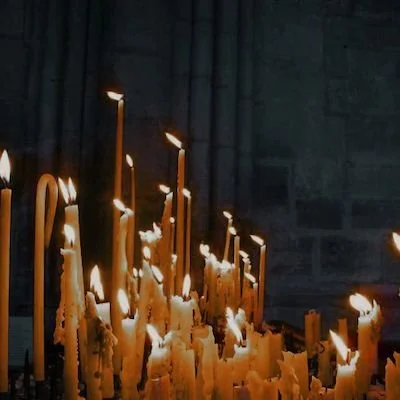
3. Light - candles are traditional in many remembrance rituals, symbolizing continuity beyond form.
4. Natural Elements - flowers, branches, stones, or water connect the altar to the living world.
5. A Boundary Marker - framing the space with fabric, cloth, or a ceremonial object distinguishes it from everyday surroundings.
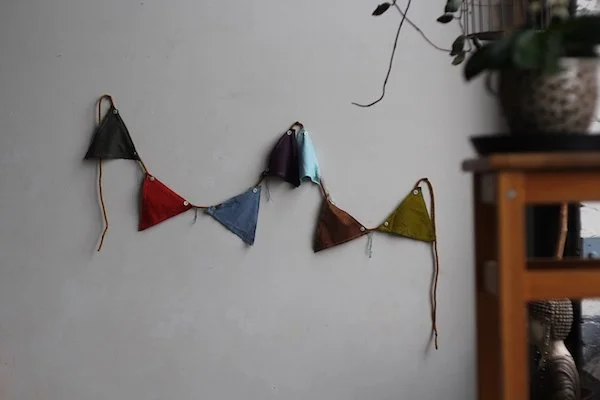
The UTR studio handcrafts memorial garlands which can serve this purpose beautifully, draped along the edge of the altar or surrounding the space to signify protection alongside reverence.
The Importance of Threshold
Death is a bridge, a passageway, and a transitional threshold that each of us will cross. In many traditions, the doorway, window, or edge of a table is symbolically powerful. Framing these edges during a remembrance ritual signals that something important is occurring. Objects like a handcrafted altar garland create a visible containment for grief, not to confine it, but to hold it the way we hold a flower in our hands or brush the hair away from the eyes of someone we care about.

How Long Does a Memorial Altar Remain?
There is absolutely no time rule. Some keep a funeral altar for three days. Some for forty. Some create and build their altar fresh every time. Some burn it or bury it. The altar can also evolve. It can be dismantled when the season shifts. Or, it can remain quietly present until the time comes where it needs to be stored away. Grief and remembrance do not follow our gregorian calendar. Nature is not robotic, it howls at the moon, breaks down barriers, and rides the wind streams.
Closing Reflection
A home memorial altar encompasses presence. In a culture uncomfortable with death, choosing to create a space for remembrance is a radical act of tenderness. Tenderness is a form of strength and courage when tuned towards the breath of life.