There are a gazillion ways to create, build, fortify, and reside in a home. When you work from that purposeful space, how does it withstand being intertwined with your lived experience?
What Is a Mobile Death Worker and Art Practice?
The vision for this project revolves around a motorhome being converted into a hobbit house on wheels. The phrase slipped off my tongue while my mind was in the cave of imagination. What was I doing nestled in the underbelly of my mind you may ask? Well, pulling away the brambles to unearth the capabilities left dormant for quite a long time.
The imagination is a place to design strategic actions, expand a sense of wonder, and improve a desired skillset through education, curiosity, and practice. These everevolving layers of intention are used to support multiple forms of work simultaneously. This is the practice. As a death worker and an artist, the layers are necessary for the exchange of unnecessary baggage, which is then released from my responsibility, and returned as useful tools. The recycled process takes time to master and patience to watch yourself fall apart over and over again.
A mobile death worker and art practice is a safe space of place that has enough comfort to hold you while dissolving into pieces of yourself and enough grit to keep setting the sails with continued cadence. To be mobile is to be tethered to movement, not just with the road, but as a companion for refuge.
A Mobile Art Studio for Grief, Ritual, and Community Care
This mobility has a multitude of functions that are each devised to be the foundation for a stable living space and a mobile art studio. The home on wheels is a defined fieldwork base that has the capacity to document and record deathcare practices with pillars of informed consent, ethical clarity, and cultural humility. It is a traveling point of connection for community care networks to expand their outreach, strengthen the bridge of experience, and be celebrated for their own vision.
The word methodology is defined as the systematic, theoretical analysis of the methods and principles associated with a branch of knowledge, acting as a blueprint for research, business, or education. A methodology chooses specific tools to ensure data reliability, validity, and reproducibility.
There are four branches of the motorhome that together form an infrastructure and methodology for this quest. They include a stable living space, a mobile art studio, a fieldwork base, and a traveling point of connection. I will continue to come back to these branches regularly for revisions. The work is the maintenance of this project and revolves within our deathcare ecosystem.
Understanding the Deathcare Ecosystem in North America
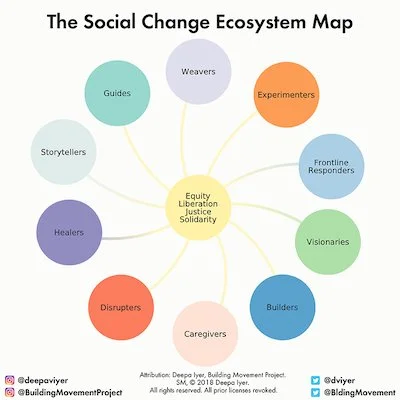
Deathcare, in its broadest sense, includes the cultural, spiritual, practical, and communal practices surrounding the process of dying, mortality, death, and remembrance. Deathcare is both deeply personal and profoundly collective. The modern ideas of death are being etched again, for necessary growth and change. This transformation is significant due to continued access with information and education among the populace. The Social Ecosystem Project and Death Positive Movement heavily increase wisdom shared about the deathcare collective. Social change is upon us and finding a place that harnesses your talents bleeds more comfort and ease to yourself and for the collective.
Why Documenting and Recording Deathcare Practices and Traditions is Wise
Across North America, people are integrating community deathcare, home funerals, death workers, alternative rituals and practices, plus gravitating to culturally specific approaches to grief and transition. The work of these integrations remain underdocumented, underfunded, fragmented across regions and communities, and at risk of being misunderstood, lost, or commodified. The project is a protective response to this moment.
There are some cultural wisdoms surrounding deathcare that are private and secret. These rituals are deeply rooted in cultural tradition, often maintained to ensure the spiritual safety of the deceased and to preserve community intimacy. My ethical principles offer the highest regard for the sacred, secretive, restrictive, exclusive, and house private wisdoms and rituals. We do not move forward with any documentation or recordings without a consensual and clear understanding between the participants.
Building a Mobile Archive of Death and Grief Practices
The key to social change is building relationships before storytelling, ensuring that knowledge is shared in ways that honor its origins, and to actively listen before documentation or recordings begin. Through the travel, recordings, documentation, and relationship building, the intention is to tend to an archive of deathcare practices. It is rooted in fertile soil with consent, reciprocity, and cultural humility.
How Mobility Expands Access to Community Care Work
Mobility is essential and not incidental to this work. Many of these practices are in defined spaces and places. They thrive in mycelial networks and communities, often just outside dominant institutional frameworks. A mobile structure offers direct engagement with diversified communities, longitudinal relationship building across regions, and flexibility in responding to emerging needs and invitations. The motorhome then becomes a vessel for connection and movement.
Under The Root : Art, Mortality, and Social Practice
Under The Root has been a forged and cultivated business by me since the early days of 2003. So many years and peoples and moves that have made this time feel like tender kisses on my cheeks. Four years ago, my resigned thought closed up shop so that I was able to finally find some much desired rest. More recently, upon my sudden loss of stability, here it was again, holding my sorrow and giving back this ongoing practice to explore the intersections of art, mortality, and social ecosystems.
If death is our universal experience, then deathcare is one of the most emboldened expressions of culture. I do not know how many participants will bring this project closer into their lived experiences, however, my intentions are true and the embers are warm to the touch. The practice is at hand, bellowing out to take each step earnestly.
A New Model for Death Workers, Artists, and Cultural Workers
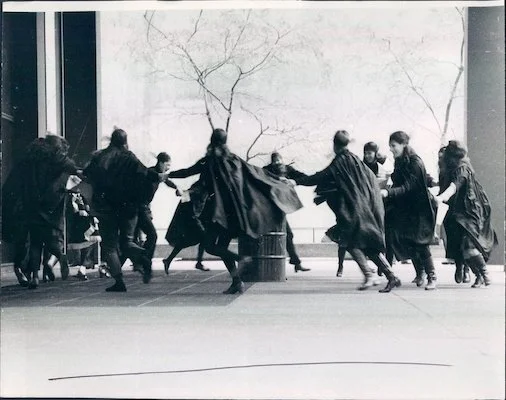
For death workers, this may look like an underground network that bridges practitioners across regions. For arts organizations, the project offers a viewfinder to a method of social engagement and fieldwork. For mutual aid networks, it provides a framework for integrating deathcare into broader systems of community support. For larger organizations and corporations, it presents an opportunity to support infrastructure that binds cultural, social, and care based work in meaningful ways.
Be a Connection with Conversation and Community
share directly with your audience
feature the work and story in a newsletter or social channels
explore a small partnership or matching campaign
SHARE: https://undertheroot.studio/artist-cat-clove-motorhome-updates
GOFUNDME: https://www.gofundme.com/f/motorhome-for-artist-and-clove
CONTACT: https://undertheroot.studio/contact
Quick Answers to Frequently Asked Questions
What Is a Mobile Death Worker Practice?
A mobile deathcare practice allows a practitioner to travel between communities, offering support, education, resources, and documentation while engaging with diverse cultural approaches to death and care. It has potential to expand access and bridge services with multiple community needs.
What Does a Death Worker Do?
A death worker provides nonmedical support to individuals and families before, during, and after death. This includes companion support, emotional care, ritual guidance, legacy planning, and to assist with navigation through decisions that align with each unique individual and cultural values.
Why Focus On Documenting Deathcare Practices and Traditions?
The project is a protective response to this moment of integrated transition for deathcare. We share from a place of agreed upon ethical clarity, informed consent, and relational respect for community ownership and context. Documentation and recordings across different regions preserves cultural knowledge, supports community care models, and opens portals of access to resources for present and future generations.
What Is a Mobile Art and Death Care Project?
A mobile art and death care project braids creative practice with transitional threshold care work, often using travel to document stories, record practices and rituals, and be in the field with community experiences. It functions as both a creative platform and a field base studio for cultural preservation and revered connection.
How Does This Connect to Art?
Art is a medium for documentation, reflection, and storytelling. It helps translate complex experiences including grief, the rites of ritual, and the tenderness of care into accessible and meaningful forms.
Have a question not listed here? This project is built through conversation and this is an invitation to reach out and connect.
Writings by Jennifer M Brown of Under the Root
Listening and presence based death worker goods and support services for individuals and loved ones navigating mortality, death, dying, grief, and transitional thresholds.